Buying a home in Miami in 2026? This complete guide covers neighborhoods, pricing, insurance, financing, schools, and the step-by-step buying process, so you know what to expect before you start touring homes.
Buying a Home in Miami:
The Smart, Essential 2026 Guide
What to know before you buy: neighborhoods, pricing, insurance, financing, and the step-by-step process for purchasing a home in Miami this year.
Start Your Buyer ConsultationWhat to Know
Before You Buy.
Buying a home in Miami is one of the biggest decisions you’ll make, whether you’re relocating, upgrading, downsizing, or investing. Miami is a vibrant, multicultural city with world-class beaches, luxury real estate, and a wide range of neighborhoods, each with its own pricing, lifestyle, and market dynamics.
This guide covers what to know before buying a home in Miami in 2026, from neighborhoods and property types to financing, insurance, schools, and the step-by-step purchase process.
Why Miami Continues to Attract Homebuyers in 2026
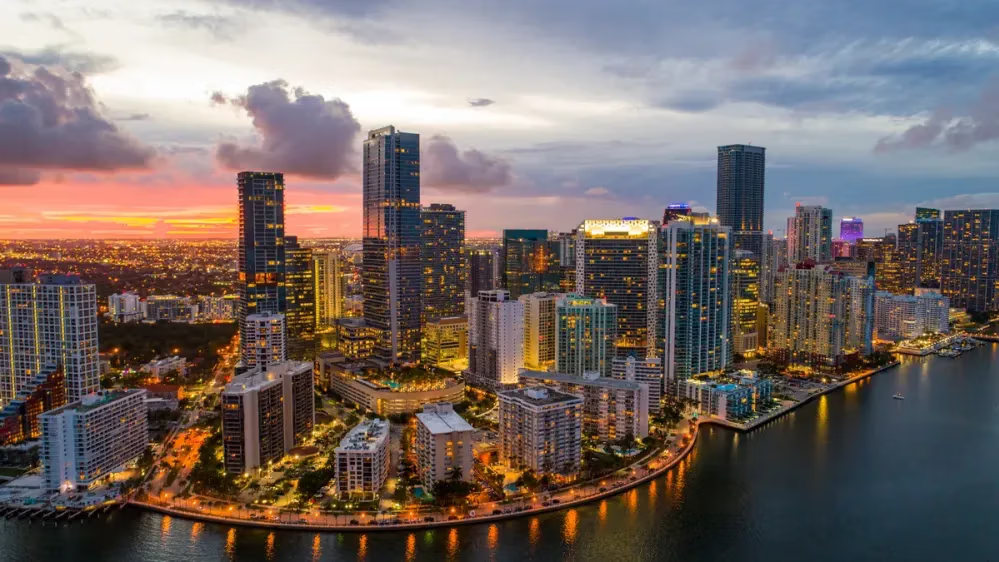
Miami remains a global destination for lifestyle, business, and investment. Buyers are drawn here by international relocation, corporate moves, and steady domestic migration from higher-tax states. If you’re buying a home in Miami, it helps to understand what’s driving that demand before you start touring properties.
Common reasons buyers choose Miami include:
- No state income tax, which factors into many relocation decisions
- A diverse, growing economy across finance, tech, and international trade
- Year-round warm weather and beach access
- A wide range of housing types, from single-family homes to waterfront condos
- Strong school options in family-oriented suburbs like Pinecrest and Palmetto Bay
- Proximity to Latin America, the Caribbean, and Europe, useful for frequent travelers and international buyers
Understanding the Miami Housing Market
Before buying a home in Miami, it helps to understand current market conditions, since they vary meaningfully by neighborhood and property type. Miami real estate has generally remained competitive, with limited inventory in many established neighborhoods and steady demand for single-family homes.
Market conditions shift by neighborhood, price point, and property type. A local agent can walk you through what’s happening right now in the specific areas you’re considering, based on current, verifiable data.
Rather than relying on national headlines, ask any agent you’re working with to show you current inventory levels, days on market, and pricing trends for the specific neighborhoods and price range you’re targeting.
It also helps to separate the coastal condo market from the inland single-family market, since they behave differently. Condo buildings, especially older ones, can carry higher HOA dues tied to reserve funding and structural inspections, which affects your real monthly cost beyond the mortgage. Single-family inventory in family-oriented suburbs tends to move faster when priced accurately, since demand from relocating families stays fairly consistent year-round. Ask for a breakdown of active, pending, and recently closed listings in your target area so you’re comparing your offer against what’s actually selling, not just what’s listed.
Best Neighborhoods to Consider When Buying a Home in Miami
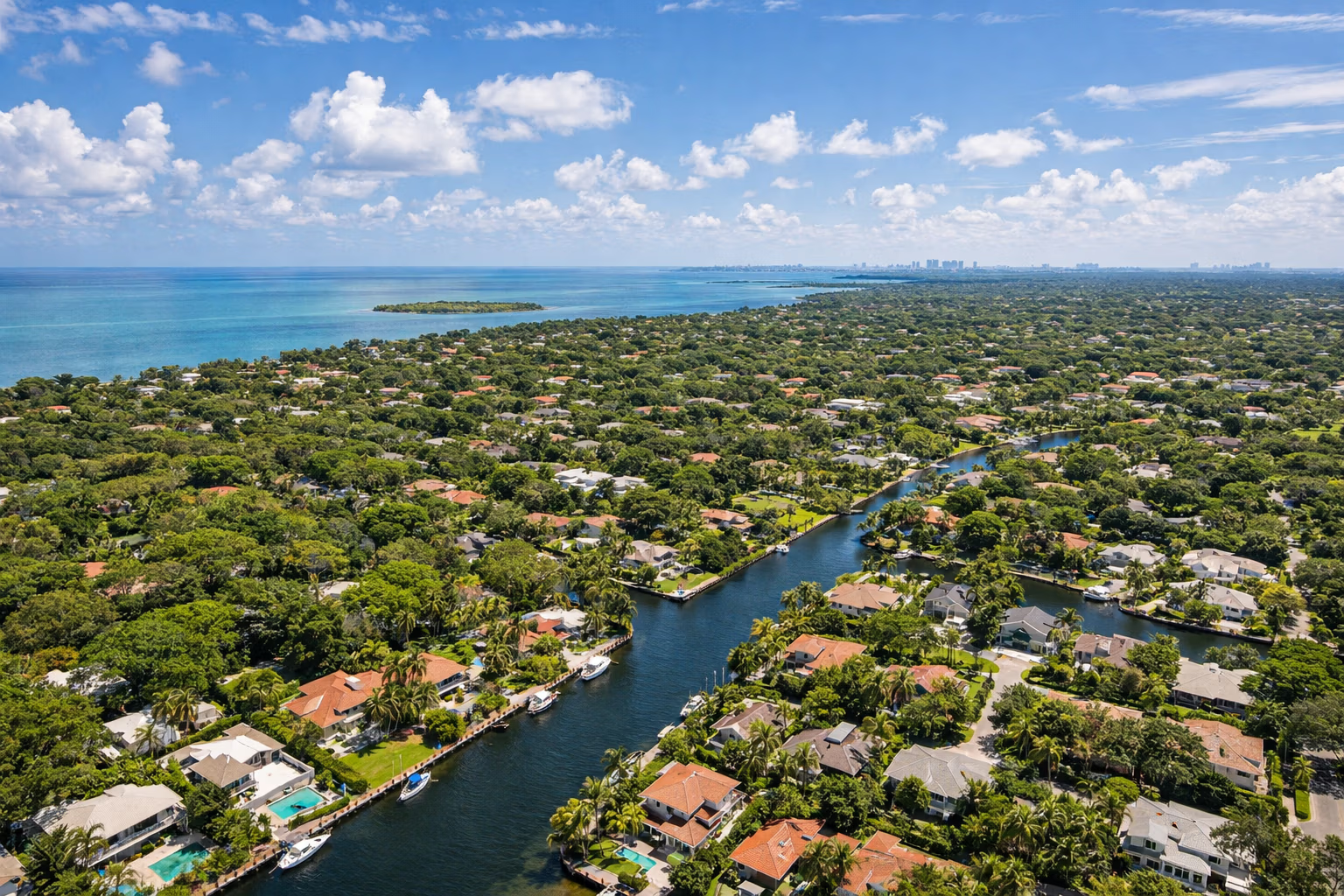
Miami offers a wide range of neighborhoods, each with a different feel, price point, and lifestyle. Here’s a starting point for buyers exploring their options.
Large lots, top-rated schools, and quiet, tree-lined streets. A frequent choice for families prioritizing space and school assignment.
Explore Pinecrest →Mediterranean architecture, tree canopy, and walkable dining. A fit for buyers who want established charm and timeless character.
Explore Coral Gables →Larger lots and strong schools at relative value compared to neighboring Pinecrest. A fit for buyers wanting space without the premium price point.
Explore Palmetto Bay →Miami’s urban core: high-rise condos, walkability, and a fast-paced lifestyle. Popular with professionals and investors.
Explore Brickell →One of the area’s fastest-growing suburbs, with newer construction, planned communities, and charter school options.
Explore Doral →Oceanfront and bayfront condos with a luxury, lifestyle-driven market. A fit for buyers prioritizing water access and walkability.
Explore Miami Beach →What Type of Property Should You Buy?
When buying a home in Miami, your lifestyle and priorities should drive the type of property you choose, not just the price per square foot.
Comparing Your Options
- Single-family homes: privacy, land, and long-term flexibility, common in Pinecrest, Palmetto Bay, and Coconut Grove
- Condos: location, amenities, and lower exterior maintenance, concentrated in Brickell, Downtown, and Edgewater
- Townhomes: a middle ground offering more space than a condo without full single-family upkeep
- Waterfront properties: boating access and views, generally at a premium price point, with added insurance and flood-zone considerations
Whichever type you choose, buying a home in Miami means weighing insurance costs, HOA rules, and resale demand carefully before you make an offer.
Step-by-Step Process for Buying a Home in Miami
Buying a home in Miami goes more smoothly with a structured process, especially in neighborhoods where good listings move quickly.
Get pre-approved
Miami sellers generally expect buyers to show financial readiness. A pre-approval signals you’re serious and positioned to close.
Choose the right neighborhood
Your commute, school priorities, lifestyle, and budget will narrow the list faster than browsing listings alone.
Work with a local buyer’s agent
Miami’s neighborhoods vary block to block. A local agent helps you avoid overpaying and spot issues before they become problems.
Tour homes promptly
Well-priced homes in desirable areas can move quickly. Touring early keeps you in the running.
Make a competitive offer
In neighborhoods with multiple offers, terms and financing strength often matter as much as price.
Complete inspection and due diligence
Review roof age, plumbing, electrical, insurance requirements, and flood zone status before your contingency period closes.
Navigate the appraisal
In competitive situations, appraised value can come in below the contract price. Have a plan in place before you’re in that position.
Close on your home
Closings in Miami typically take 30 to 45 days depending on financing and inspection findings.
Common Mistakes to Avoid When Buying a Home in Miami
A few recurring mistakes tend to slow down or derail an otherwise smooth purchase. Knowing them ahead of time can save you both money and frustration.
- Skipping the insurance quote until after going under contract, which can lead to unpleasant surprises during your inspection period, especially on older roofs or homes near the water
- Assuming school assignment based on a neighborhood name alone, when boundaries can change block to block and should always be verified for the exact address
- Waiving contingencies without understanding the risk, particularly the appraisal contingency in competitive multiple-offer situations
- Underestimating HOA and condo association costs, which can include special assessments for structural reserves in older buildings
- Working with an agent who isn’t local to the specific neighborhood, since Miami’s pricing and inventory dynamics shift significantly by area
Home Insurance and Taxes in Miami
Insurance is one of the biggest ongoing costs to plan for when buying a home in Miami, largely due to hurricane and flood risk. Premiums vary significantly based on a handful of factors.
What Affects Your Insurance Cost
- Roof age and material, often the single biggest factor in South Florida premiums
- Elevation and flood zone designation
- Construction type, with concrete block (CBS) construction generally preferred by insurers
- Proximity to water
- Hurricane shutters or impact windows, which can reduce premiums
On the tax side, Florida has no state income tax, and the Homestead Exemption can meaningfully reduce property taxes for a primary residence. Confirm your specific eligibility and exemption amount with the Miami-Dade Property Appraiser’s office.
Cash Buyers vs. Financed Buyers in Miami
Miami sees a notable share of cash offers, particularly in the condo and luxury segments, which can make competing with financing feel harder than it actually is. A well-prepared financed offer with a strong pre-approval and a reasonable timeline is often just as competitive as cash, especially outside the highest-demand listings.
What Sellers Look For in a Financed Offer
- A firm pre-approval letter, not just a pre-qualification, from a lender familiar with Florida transactions
- A realistic closing timeline that matches or beats comparable cash offers where possible
- A reasonable earnest money deposit that signals commitment
- Fewer, clearer contingencies rather than a long list of conditions
If you’re weighing cash against financing for reasons beyond competitiveness, such as investment strategy or liquidity, a conversation with your lender and financial advisor before you start touring homes can help you decide with confidence.
New Construction Homes in Miami
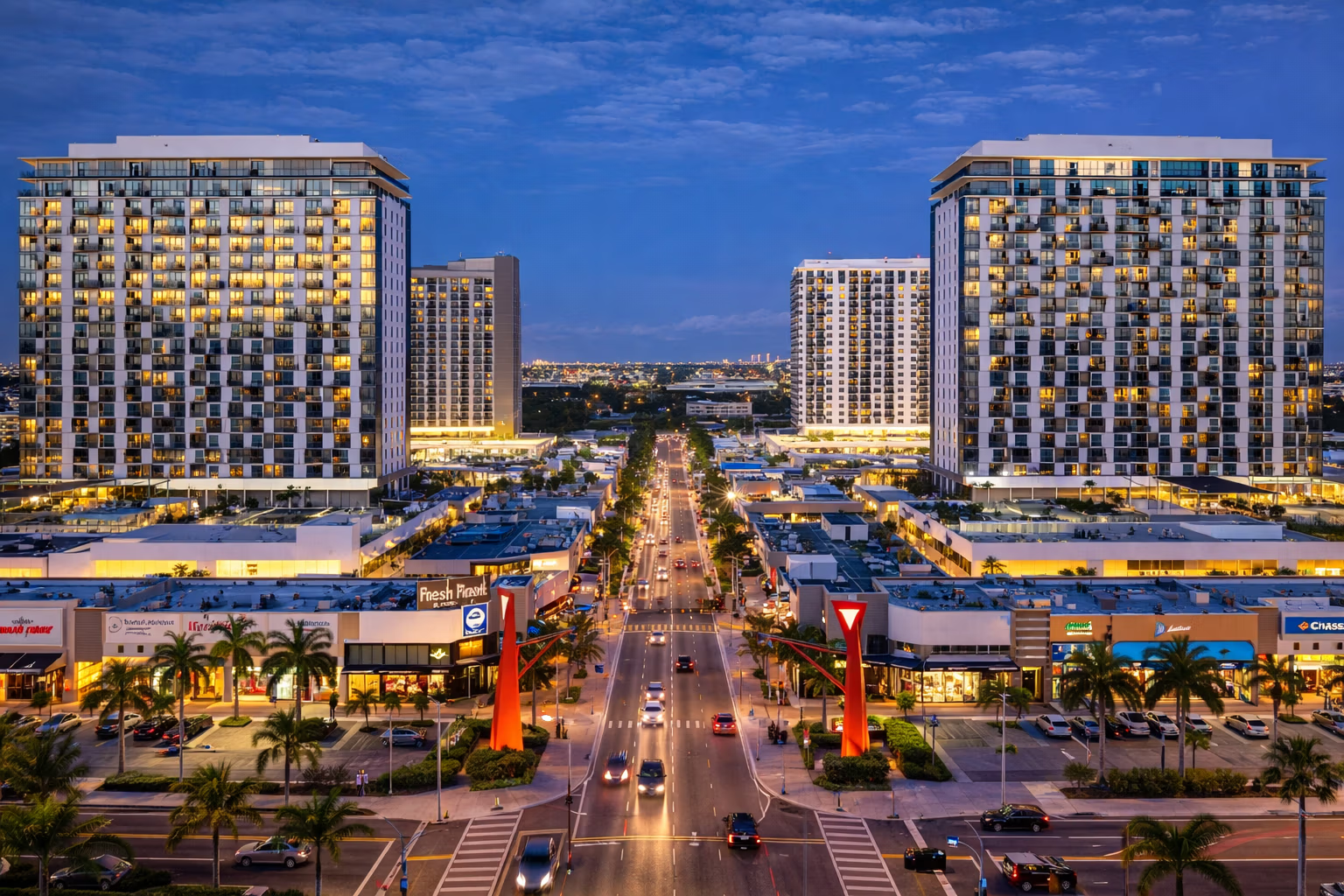
For buyers buying a home in Miami, new construction offers modern layouts, energy-efficient systems, and lower near-term maintenance. It’s worth weighing against resale inventory in established neighborhoods, which often comes with more mature landscaping and a different price-per-square-foot profile.
Popular New-Construction Areas
- Doral
- West Kendall
- Miami Lakes
- Edgewater
- Downtown Miami
Schools and Education
Families buying a home in Miami often prioritize school assignment as heavily as the home itself. Miami-Dade offers a mix of public, charter, magnet, and private options, and school boundaries can vary block to block even within the same zip code.
Always verify assignment for a specific address directly with Miami-Dade County Public Schools before making an offer, rather than relying on a listing description.
Neighborhoods Frequently Chosen for Schools
- Pinecrest
- Coral Gables
- Palmetto Bay
- Doral
- Coconut Grove
Miami Lifestyle: What to Expect
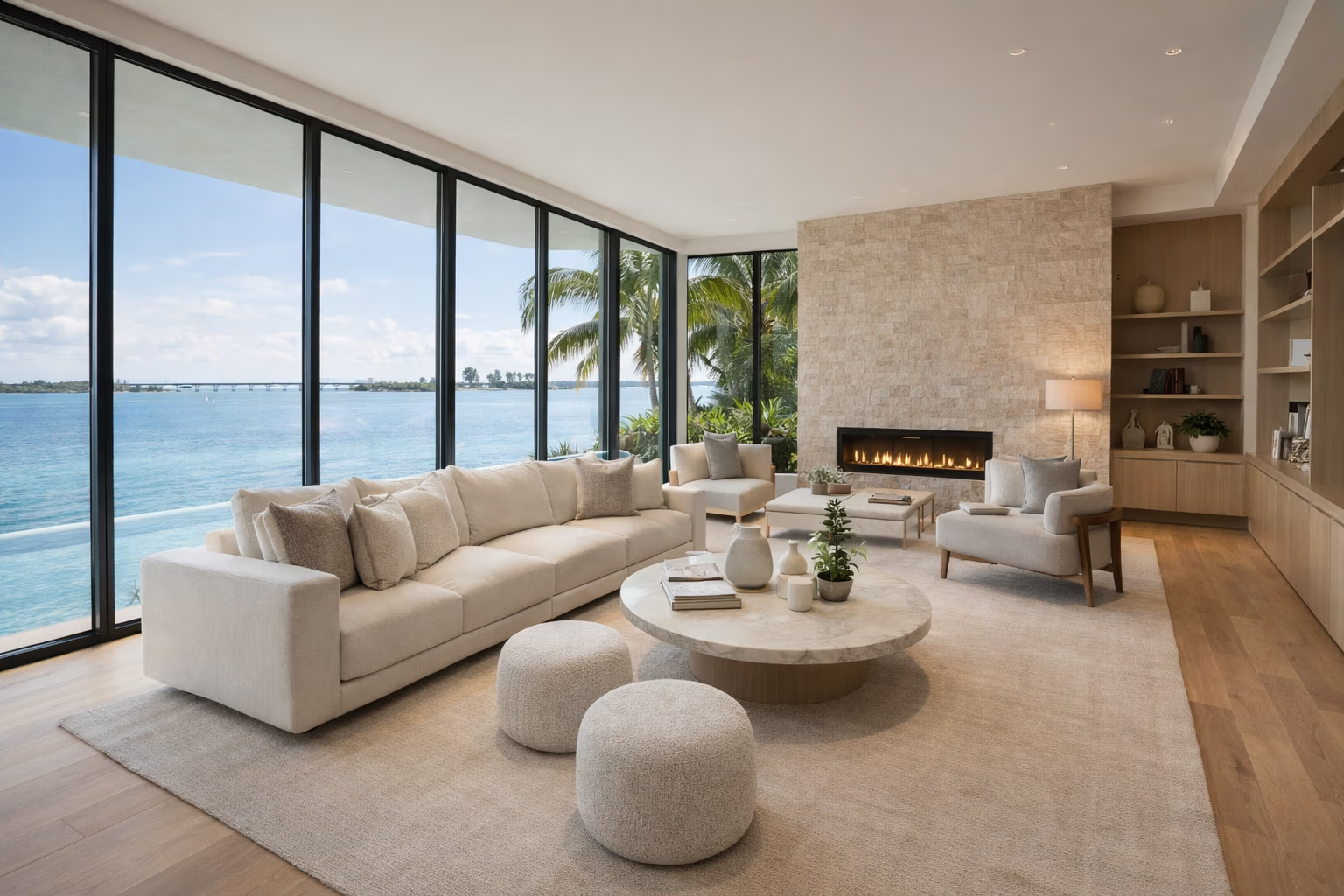
Beyond the transaction, most people buying a home in Miami are drawn to the lifestyle it offers: beaches, boating, dining, arts and culture, shopping, and a busy calendar of year-round events. That lifestyle factor is worth weighing alongside price and commute when narrowing your neighborhood search.
Why The Arango Group Is a Strong Choice for Miami Buyers
The Arango Group is a South Florida real estate team affiliated with Coldwell Banker Realty – Pinecrest. Principal Kevin Arango, P.A., REALTOR®, lives in Palmetto Bay and works buyers and sellers across Miami and the surrounding communities covered in this guide. Buying a home in Miami is a highly local process, and the right agent for your purchase depends on your goals, timeline, and the neighborhoods you’re considering. We encourage you to interview more than one agent before deciding.
Guidance on schools, flood zones, HOA rules, and pricing that varies block to block, not just citywide averages.
Offer strategy, inspection guidance, and negotiation built around your goals and budget, from search through closing.
Introductions to trusted local lenders and a clear walkthrough of what to expect at each stage of the purchase.
Single-family homes, condos, townhomes, waterfront, and investment properties across Miami and South Florida.
Miami & South Florida Real Estate Resources
Continue your research with related guides from The Arango Group as you plan your purchase and finish buying a home in Miami.
- Pinecrest Real Estate Guide, schools, homes, and lifestyle
- Coral Gables Real Estate Guide, luxury homes and neighborhoods
- Palmetto Bay Real Estate Guide, homes, schools, and parks
- Brickell Condo Guide, luxury living and market trends
- Doral Real Estate Guide, homes, prices, and schools
- Miami Beach Real Estate Guide, luxury condos and market trends
- Miami Real Estate Market Report, current pricing and trends
- Local Real Estate Agent in Palmetto Bay, how The Arango Group works with clients
¿Está Pensando en Comprar Casa en Miami?
Puedo ayudarle con un análisis completo, opciones de vecindarios, y una estrategia personalizada para encontrar la propiedad ideal en Miami. Contáctenos hoy para comenzar su búsqueda: (305) 290-1211 o kevin@thearangogroup.com.
Buying a Home in Miami: Common Questions
Ready to Start Your
Miami Home Search?
Whether you’re just starting to research neighborhoods or you’re ready to tour homes, Kevin Arango, P.A. and The Arango Group can help you evaluate your options, understand the market, and build a clear strategy for buying a home in Miami. Visit www.thearangogroup.com to learn more.